April 20, 2026
Simple Systems for Better Communication in Your Veterinary Practice
In many veterinary clinics, communication happens constantly. Conversations take place between team members, updates are shared during appointments, and quick notes are passed throughout the day. While this approach may feel efficient, relying on conversations alone can create inconsistency and confusion over time.
The most successful clinics recognize that communication needs more than good intentions—it needs structure. By turning everyday conversations into simple, repeatable systems, clinics can improve efficiency, reduce stress, and deliver a more consistent client experience.
Why Conversations Alone Aren't Enough

Veterinary teams are busy, and much of the day moves quickly. It is common to rely on verbal updates or quick reminders to keep things moving. However, when communication exists only in conversations, it becomes easy to miss important details.
This is especially true in growing practices. As teams expand, it becomes harder to ensure that everyone hears the same information or follows the same process. Without a clear system, tasks may be forgotten, responsibilities may become unclear, and clients may receive inconsistent messaging.
This is where veterinary communication systems become essential. They ensure that information is captured, shared, and acted on consistently—regardless of how busy the day becomes.
Turning Daily Tasks into Repeatable Systems
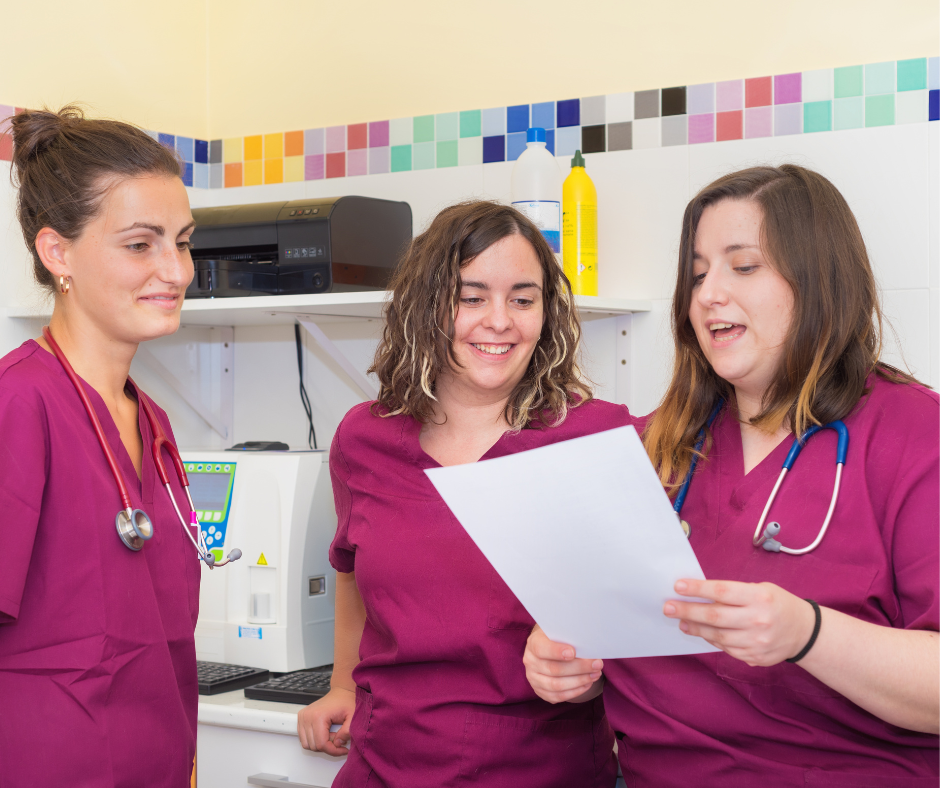
Every veterinary clinic has recurring tasks. Follow-up calls, lab result updates, medication checks, and appointment reminders are part of daily operations. When these tasks rely on memory or informal communication, they can easily fall through the cracks.
Creating simple systems ensures these tasks are handled consistently every time. Instead of relying on someone to remember, the system ensures that the task is assigned, tracked, and completed.
This approach is similar to using standard operating procedures veterinary clinic teams are familiar with, but with one key difference. Instead of static documents that are rarely referenced, these systems are active and integrated into the daily workflow. They live where your team already works, making them easy to follow and maintain.
Creating Accountability Without Micromanaging
One of the biggest challenges in any clinic is ensuring that tasks are completed without constantly checking in on team members. No one wants to micromanage, but without visibility, it can be difficult to know what has been done and what still needs attention.
With the right vet clinic workflow tools, accountability becomes part of the system. Tasks are clearly assigned, progress is visible, and follow-ups are easy to track. This creates a sense of ownership within the team while reducing the need for constant oversight.
As a result, team members feel more confident in their roles, and clinic leaders can focus on higher-level priorities instead of tracking down details.
Connecting Communication to Patient Care

Communication in a veterinary clinic should always be tied to patient care. When information is scattered across notes, messages, or conversations, it becomes harder to maintain a complete and accurate picture of each patient's needs.
Using practice management software veterinary teams rely on allows communication to be directly connected to the patient record. This means that updates, tasks, and follow-ups are all in one place, making it easier for the entire team to stay informed.
When communication is connected to care, errors are reduced, efficiency improves, and patients receive more consistent treatment.
Improving Client Experience
Clients may not see your internal systems, but they notice when things run smoothly. They notice when follow-ups happen on time, when information is consistent, and when the team feels organized and confident.
Improving behind-the-scenes communication is one of the most effective ways to enhance the client experience. In fact, one of the most impactful ways to improve veterinary client communication is to strengthen your team's internal communication.
When your team is aligned, your clients feel it in every interaction.
Simple Systems, Stronger Teams

You do not need complicated processes to improve communication. In fact, the most effective systems are often the simplest ones—clear, consistent, and easy to use.
By building systems around your daily workflows, your clinic can reduce stress, improve efficiency, and create a more supportive environment for your team.
Strong communication is not just about talking more. It is about creating systems that ensure nothing is missed.
Ready to simplify your communication and strengthen your team? See how VetBadger helps turn everyday tasks into clear, reliable systems with a free demo today.